Навчання гештальт-терапевтів (I, II ступені)
Before broadcast
1 month
12.10.2026 - 14.10.2026
12:00 in Kyiv
8 848,50 (€170,00)

Навчання гештальт-терапевтів (I, II ступені)

Про програму

Перша ступінь навчання гештальт-терапії — це програма професійного та особистісного розвитку, яка знайомить учасників із базовими принципами, поняттями та практикою гештальт-підходу.

Навчання побудоване на поєднанні теоретичної підготовки, практичного досвіду та особистої терапевтичної роботи. Особлива увага приділяється розвитку здатності помічати власний досвід «тут і тепер», усвідомлювати свої почуття, потреби, способи контакту з іншими людьми та закономірності побудови стосунків.

У процесі навчання учасники знайомляться з основними поняттями гештальт-підходу: контактом і кордонами контакту, фігурою та фоном, циклом контакту, усвідомленням, відповідальністю, феноменологічним підходом, творчим пристосуванням та механізмами переривання контакту. Теоретичний матеріал розглядається через практичний досвід, експерименти, роботу в малих групах, демонстрації та обговорення.

Важливою складовою програми є особистісна робота учасників. Вона дає можливість не лише засвоювати професійні знання, а й досліджувати власний спосіб бути у стосунках, помічати свої ресурси та труднощі, розширювати можливості вибору й формувати більш усвідомлене ставлення до себе та інших.

Програма створює безпечний та підтримувальний простір для навчання, дослідження і професійного становлення. Учасники поступово формують гештальт-спосіб мислення та починають бачити людину не ізольовано, а в контексті її стосунків, середовища та актуальної життєвої ситуації.

Перша ступінь є основою для подальшого професійного навчання гештальт-терапії та водночас самостійним етапом глибшого знайомства з гештальт-підходом, його цінностями та практикою.

Ця програма буде корисна

  • Психологам і психотерапевтам-початківцям — для системного знайомства з гештальт-підходом та формування професійної основи.
  • Фахівцям допомагаючих професій — психологам, соціальним працівникам, педагогам, лікарям, консультантам, які працюють із людьми та хочуть поглибити розуміння стосунків і процесів контакту.
  • Практикуючим психологам — для розширення професійного інструментарію та нового погляду на клієнтський процес
  • Тим, хто планує професійно розвиватися в психотерапії — як перший крок до подальшої спеціалізації та професійного навчання.
  • Для особистого розвитку — тим, хто прагне краще розуміти себе, свої потреби, почуття та способи будувати стосунки з іншими.
  • Для тих, хто хоче навчатися через власний досвід — кому важливі живий контакт, практика, дослідження себе та взаємодія з групою.
Що ви отримаєте на І ступені
  • Розширення професійного бачення та нову оптику для розуміння людини й міжособистісних процесів.
  • Практичні навички спостереження за власними реакціями та реакціями іншого у взаємодії.
  • Більше ясності щодо власних професійних ресурсів, сильних сторін і зон подальшого розвитку.
  • Досвід перебування в терапевтичному та навчальному процесі з позиції учасника, що сприятиме кращому розумінню клієнтського досвіду.
  • Навички використовувати власну чутливість, присутність і професійне «відчуття» у роботі з людьми.
  • Можливість краще розуміти складні ситуації у стосунках та знаходити в них нові точки для роботи.
  • Досвід професійного діалогу, взаємодії та навчання у групі однодумців.
  • Основу для подальшого професійного навчання та поглиблення психотерапевтичної практики.
  • Особистий досвід, який може сприяти більшій усвідомленості, гнучкості та свободі вибору у власному житті
Program structure
1 Stage
1 year of study
Getting to know the philosophical, biological and psychological background of Gestalt therapy, as well as Gestalt therapy in my own experience, receiving personal therapy in a group, solving psychological problems, deepening my knowledge of psychology and life. Recognizing, placing and using one's feelings and emotions, living with forbidden, blocked feelings that keep us from moving forward, managing and becoming aware of one's needs. Learning the subtleties and nuances of building strong and happy relationships with parents, partners, children, colleagues, self-development and familiarization with the basic concepts of the Gestalt approach.
10
theoretical sessions, once every two months during the academic year
5
thematic seminars, once every two months during the year
2 Stage
2,5 -3 years
Multidisciplinary training, including all aspects of work in the field of Gestalt therapy: long-term work with clients, ability to work with children, families, work with neurotic states, work with addictions, depression, solving various work and family problems. Practical knowledge, skills and abilities to work with clients. Learn to separate your own feelings from those of the client; to withstand and live strong feelings alongside another. Master the methodology of practice and develop your individual style as a therapist. Realize yourself and be able to help people by mastering one of the most popular, beautiful and creative professions in the world and become a true professional in Gestalt therapy. Read more about the program's regulations at the link Read more
19
thematic and supervisory seminars
50
theoretical classes once a month
90
hours of individual therapy
110
hours of group and training supervision
10
supervisions of groups of three
15
hours of individual supervision
30
hours in a small therapeutic group
2
one intensity in the client's position, the other in the therapist's position
3
two conferences and one festival
List of seminars
Block 1. Philosophical, biological and psychological background of Gestalt therapy. (at the discretion of the trainer*)
12.10.2026 - 14.10.2026
The general idea of psychological counseling and psychotherapy. Professional ethics. The principles of personal approaches in psychotherapy. The revolution of psychoanalysis, its theoretical, social and methodological consequences. The existential Philosophy and Existential Analysis. The formation of professional views of F. Perls and the emergence of Gestalt therapy. The basic concepts of Gestalt therapy: integrity, figure and background, "here and now", experience, awareness, self-regulation. The basic concepts of Gestalt therapy: contact and contact boundary, modalities of contact, creative adaptation, field "organism - environment". * The trainer may, at his/her discretion, replace this workshop with a workshop on another topic.
Sych Oksana - Ведуча І ступеня
Kushnir Svitlana - Ведуча І ступеня
Block 2. The theory of contact in Gestalt therapy.
Block 3. The integrative nature of Gestalt therapy.
Block 4. Therapy as creativity (at the discretion of the trainer*).
Block 5. Working with resistance in Gestalt therapy.
Block 6. Theory of SELF.
Block 7. Strategy and tactics of the therapeutic session.
Block 8. Experiment in Gestalt therapy.
Block 9. The main strategies for the work of Gestalt therapists. Work with internal phenomenology. Work on the border-contact.
Block 10. Principles of clinical application of Gestalt therapy. Working with neurotic disorders (part 1)
Block 11. Principles of clinical application of Gestalt therapy. Working with neurotic disorders. (part 2)
Block 12. Gestalt therapy of psychosomatic disorders.
Block 13. The functioning of the body in life and psychotherapy. Body phenomena in Gestalt therapy (at the discretion of the trainer*).
Block 14. Psychology and psychotherapy of addictive behavior.
Block 15. Working with various forms of organization of experience.
Block 16. In-depth consideration of the clinical aspects of working in Gestalt therapy (at the discretion of the trainer*).
Block 17. Creative aspects in the work of the therapist-client (at the discretion of the trainer*).
Block 18. Therapeutic relationship. Psychoanalysis and Gestalt therapy.
Block 19. Symbolic aspects in the therapeutic relationship.
Block 20. Dialogue in Gestalt therapy.
Block 21. Technique of therapeutic intervention. Supervision in Gestalt Therapy.
Block 22. Workshop on injury (at the discretion of the coach*)
Block 23. Group therapy (at the discretion of the trainer*)
Organization of the educational process
Format
Zoom.
Periodicity
Three-day seminars with lectures, practical exercises, and discussions once every two months.
Opportunity to join
You can join up to 3 seminars during the training.
Time of the event
10:00 to 15:00 Kyiv time.
Trainers:
Hrechka Vadym
Керівник та ведучий ІІ ступені
Hrechka Vadym
Hrechka Vadym
Керівник та ведучий ІІ ступені

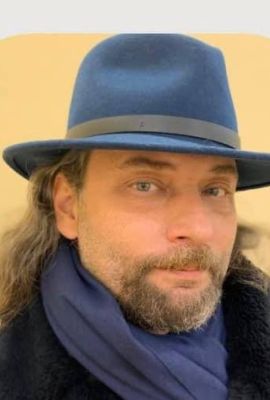
Certified Gestalt therapist and supervisor, psychologist, sociologist, head of the Interregional Institute of Gestalt Therapy and Art (MIGIS) (Ukraine), is a full member of the European Association of Gestalt Therapists (EAGT), a member of the New York Institute of Gestalt Therapy (NYIGT), Member of the Society for Psychotherapeutic Research (SPR). He is the author of unique specialized programs "Ironically Paradoxical Gestalt Therapy", "Psychotherapy as an Art", "Sexology in Gestalt Therapy", a guest trainer in Gestalt groups in different countries, studies in depth the use of humor, irony, laughter in Gestalt therapy . Engaged in research on the influence of space and atmosphere on the process of psychotherapy. He is the author of more than 40 scientific publications, including Dialogical Relations in the Symbolic Space, Features of Supervision in the Gestalt Community. He is fond of poetry, theatrical art, music, water sports. Master of Sports in rowing slalom, Candidate Master of Sports in water tourism.

Sych Oksana
Ведуча І ступеня
Sych Oksana
Sych Oksana
Ведуча І ступеня

психолог, сертифікований гештальт-терапевт, супервізор, що навчається, груповий терапевт, акредитований асистент MIGIS. Спеціалізується на роботі з психологічними (емоційними) травмами, спеціалізується в роботі з дітьми та батьками у гештальт-підході, спеціалізується у роботі з парами та сім’ями.

Kushnir Svitlana
Ведуча І ступеня
Kushnir Svitlana
Kushnir Svitlana
Ведуча І ступеня

психолог, сертифікований гештальт-терапевт, супервізор, що навчається, груповий терапевт, акредитований асистент MIGIS. Спеціалізується на роботі з психологічними (емоційними) травмами, спеціалізується на роботі з психосоматикою, використовує у роботі іронічно-парадоксальний підхід, використовує у роботі тілесно-орієнтовану терапію.