Лекция 2. Diagnostics in Gestalt Therapy: The Concept of the Neurotic, Borderline, and Psychotic Fields


The concept of "diagnosis" in Gestalt therapy has a different meaning than expert diagnostics with a diagnosis, for example, in medicine or psychoanalysis.
Diagnosis in Gestalt therapy focuses on the nature of the client's relationship with his environment and describes the process that occurs at the contact boundary, i.e. in terms of process and connections, describes how a person organizes his experience, what is his way of experiencing in the actual situation “here and now”.
Traditionally, in Gestalt therapy, two types of diagnostics are considered: background and procedural, the features and specifics of which will be discussed in the lecture.
Let's get acquainted with the approach to Gestalt diagnostics by J. Francesetta and his colleagues, the main thesis of which is that the therapist, included in the interpersonal (with the client) process in accordance with the field theory, becomes part of the diagnosis.
Based on their vision of the phenomenal, phenomenological and pathological fields, as well as the pathology of the contact created by both participants in the therapeutic process, we will consider the types of diagnostics that focus on therapeutic relationships - external diagnostics (or "card diagnosis") and internal (or aesthetic) diagnosis - with in order to use them in practice to meaningfully organize the experience of communication with the client and be able to be present at the border of contact with sensations tuned to the perception of what is happening, and awareness of bodily, cognitive and emotional resonance.
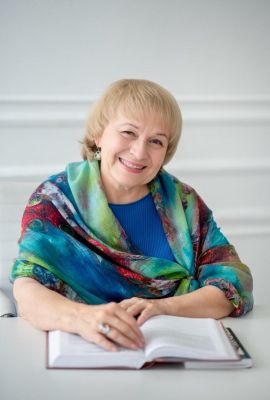
Psychologist, Certified Gestalt Therapist, Certified Supervisor, Gestalt therapy instructor, Group Therapist, Accredited Leading trainer of MIGIS, Specializes in working with children and parents in the Gestalt approach.
My life and professional experience, discoveries and mistakes, the ability to survive in uncertainty and powerlessness and find my own way out in difficult life situations, interest in people and meeting the special world of each of them and much more that I am filled with, allow me to work with children, teenagers, couples and families.


